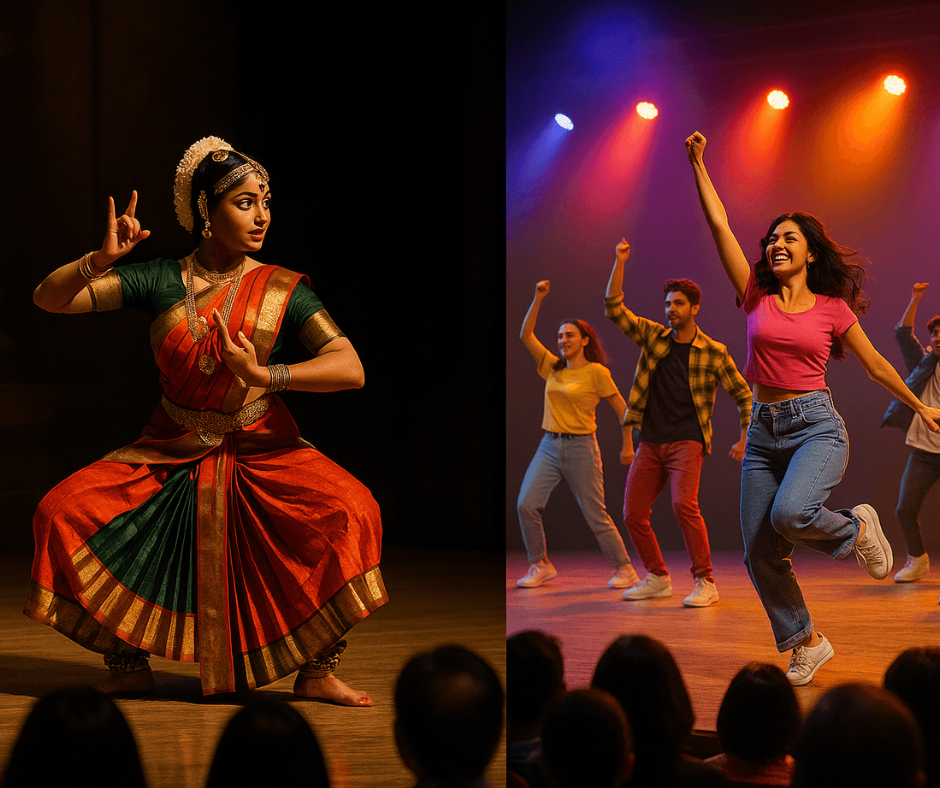
Dance is a powerful form of expression that reflects culture, history, emotions, and identity. Across the world, dance has evolved in different ways, but most styles can broadly be classified into Classical and Western dance forms. Understanding the difference between these two helps dancers choose the right style, respect diversity, and grow as versatile artists.
Understanding Classical Dance
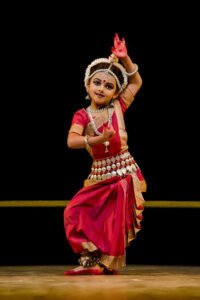
Classical dance forms are deeply rooted in tradition and cultural heritage. In India, classical dance is considered a sacred and disciplined art form that combines music, rhythm, expressions, and storytelling. Styles such as Kathak, Bharatanatyam, Odissi, Kuchipudi, Kathakali, and Manipuri follow a structured system passed down through generations.
Classical dance training focuses on precision, discipline, and patience. Dancers learn correct posture, detailed footwork, hand gestures (mudras), eye movements, and facial expressions (abhinaya). Each movement has meaning, and every performance tells a story—often inspired by mythology, devotion, or human emotions.
One of the biggest strengths of classical dance is that it builds a strong foundation. It improves body alignment, balance, coordination, concentration, and emotional depth. Classical dance also teaches respect for tradition and helps dancers connect with their cultural roots.
However, classical dance requires time and consistency. Progress may feel slow in the beginning, but the long-term growth in grace, confidence, and control is unmatched.
Understanding Western Dance
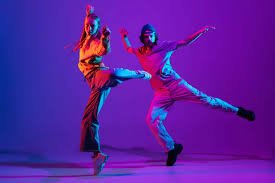
Western dance styles are more modern and focus on creativity, freedom, and individuality. Popular Western dance forms include Hip-Hop, Contemporary, Jazz, Ballet, Freestyle, and Commercial dance. These styles are often influenced by music trends, street culture, theatre, and global movements.
Western dance encourages dancers to explore their personal style and emotions. Movements are often fluid, energetic, and expressive. Unlike classical dance, Western styles do not always follow strict rules, which allows dancers to experiment and innovate.
Western dance is widely used in music videos, stage shows, competitions, films, and social media platforms like Instagram and YouTube. It helps improve flexibility, stamina, strength, musicality, and stage presence. For many beginners, Western dance feels more accessible and fun because of its fast learning curve.