
Teachers do more than deliver lessons — they inspire, guide, and empower. In every classroom, a teacher plays a key role in shaping how students see themselves and the world around them. Two of the most important qualities teachers help develop in their students are confidence and curiosity — both essential for lifelong learning and personal growth.
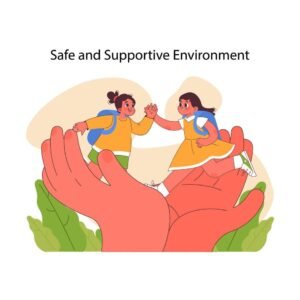 1. Creating a Safe and Supportive Environment
Confidence starts with feeling safe. Great teachers build classrooms where students aren’t afraid to ask questions, share their ideas, or make mistakes. When students know they’re supported, they’re more likely to take risks and try new things — even if they’re unsure of the outcome. Encouragement and positive feedback go a long way in helping students believe in themselves.
 2. Celebrating Effort, Not Just Results
Teachers understand that learning is a journey. By praising effort, persistence, and progress — not just perfect scores — they help students develop a growth mindset. This mindset teaches kids that it’s okay to struggle and that abilities can improve with practice. That belief builds resilience and confidence, especially in subjects students may find challenging.
 3. Encouraging Questions and Wonder
Curiosity is the spark behind every discovery. Teachers fuel that spark by encouraging students to ask questions, explore new ideas, and think critically. Instead of always providing the answers, they often guide students to find their own — fostering a love of exploration and independent thinking.
 4. Making Learning Relevant and Engaging
Teachers make learning come alive by connecting lessons to real-life experiences. Whether it’s linking math problems to everyday situations or using science experiments to explain natural phenomena, they show students that learning has purpose and meaning. This relevance piques curiosity and deepens engagement.
5. Being Role Models of Lifelong Learning
Curious, confident teachers create curious, confident students. When teachers show their own excitement for learning — reading books, asking questions, or sharing something new they’ve discovered — they set an example for students to follow. Their enthusiasm becomes contagious.