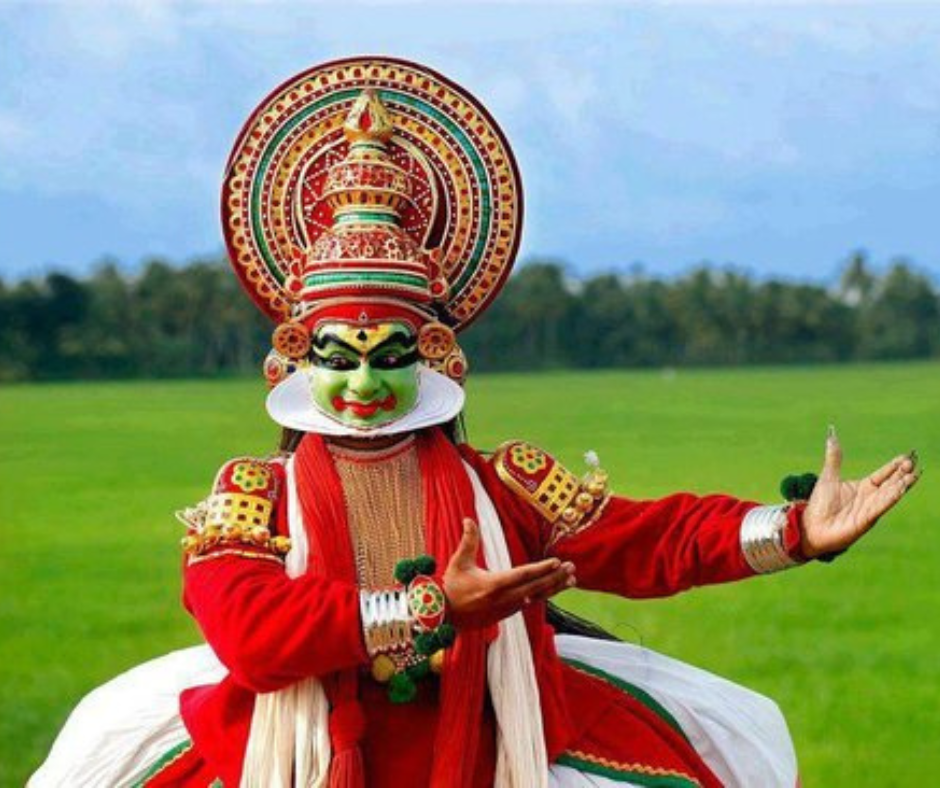
India is a land of rich culture, history, and artistic expression. One of the most beautiful reflections of this heritage is Indian classical and traditional dance. These dance forms are not just about movement; they tell stories, express emotions, and preserve ancient traditions passed down through generations. Every dancer should know these traditional Indian dance forms to understand the depth, discipline, and spiritual connection of Indian dance.
1. Bharatanatyam(Tamil Nadu)
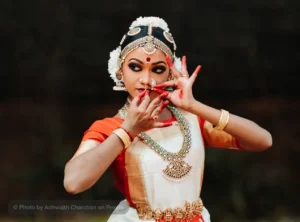
Bharatanatyam is one of the oldest and most popular classical dance forms of India. It originated in the temples of Tamil Nadu and was traditionally performed by Devadasis as a form of worship.
This dance form is known for:
- Strong footwork
- Fixed upper body posture
- Precise hand gestures (Mudras)
- Expressive facial expressions (Abhinaya)
Bharatanatyam is deeply rooted in Hindu mythology and often depicts stories of Lord Shiva, Vishnu, and other deities. It follows the principles of the ancient text Natya Shastra. For dancers, Bharatanatyam helps build discipline, grace, stamina, and emotional expression.
2. Kathak (Uttar Pradesh)
Kathak originated in North India and gets its name from the word “Katha”, meaning story. It was traditionally performed by storytellers called Kathakars in temples and royal courts.
Key features include:
- Fast spins (Chakkars)
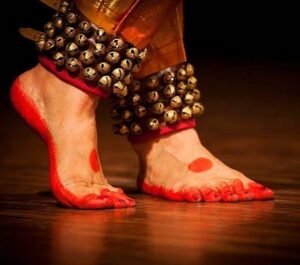
- Rhythmic footwork with ankle bells (Ghungroo)
- Graceful movements and expressions
Kathak beautifully blends Hindu and Mughal influences. It focuses heavily on rhythm (Taal) and storytelling through expressions. Kathak is ideal for dancers who enjoy intricate footwork, musicality, and expressive storytelling.
3. Kathakali (Kerala)
Kathakali is a powerful and dramatic dance form from Kerala. It is known for its elaborate costumes, painted faces, and bold expressions.
Characteristics include:
- Strong eye and facial movements
- Heavy makeup and large headgear
- Themes from the Ramayana and Mahabharata
Kathakali requires immense physical strength and control. Dancers train for years to master eye movements and facial expressions. This dance form teaches patience, dedication, and storytelling at an advanced level.
4. Odissi (Odisha)
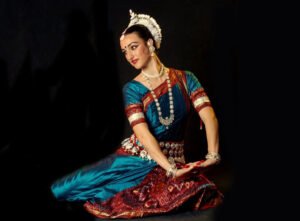
Odissi is one of the most graceful and lyrical classical dance forms. It originated in the temples of Odisha and is inspired by sculptures found in ancient temples.
Unique elements include:
- Tribhangi posture (three-body bends)
- Soft, flowing movements
- Devotional themes, especially dedicated to Lord Jagannath
Odissi focuses on grace, emotion, and spirituality. For dancers, it helps develop flexibility, elegance, and subtle expression.
5. Manipuri (Manipur)
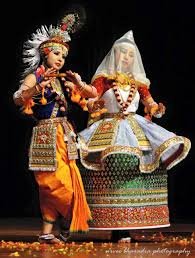
Manipuri dance is soft, devotional, and graceful. It is closely connected to Vaishnavism and often depicts the love stories of Radha and Krishna.
Highlights:
- Gentle movements
- Rounded body motions
- Light footwork without heavy ankle bells
Manipuri emphasizes devotion and purity. It teaches dancers control, grace, and spiritual expression rather than sharp movements.