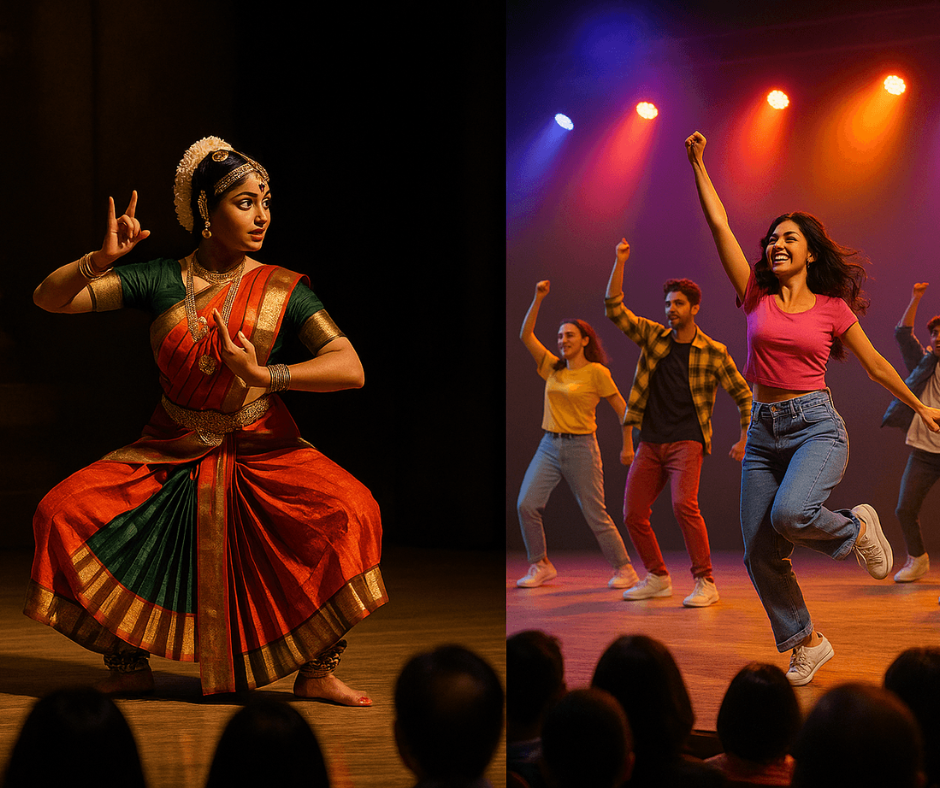
Kathak is one of the most elegant and expressive classical dance forms of India. It originated in North India and is known for its rhythmic footwork, graceful spins, and storytelling.
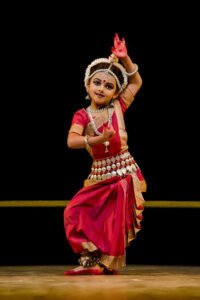
History of Kathak
The word Kathak comes from Katha, meaning story. In ancient times, Kathak dancers were storytellers who narrated stories from Indian epics like the Ramayana and Mahabharata through movement and expressions. Over time, Kathak evolved in royal courts, especially during the Mughal period, where it gained refined techniques, intricate footwork, and graceful spins.
Basics of Kathak
Kathak training focuses on: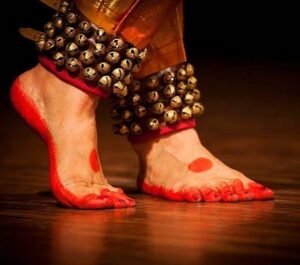
- Tatkar (Footwork): Strong rhythmic stamping of feet
- Chakkars (Spins): Controlled and fast turns
- Mudras: Hand gestures to express meaning
- Abhinaya: Facial expressions to tell stories
- Taal & Laya: Understanding rhythm and tempo
Benefits of Learning Kathak
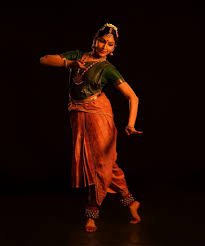 Kathak offers both physical and mental benefits:
- Improves posture, balance, and coordination
- Enhances concentration and memory
- Builds discipline and patience
- Strengthens emotional expression
- Creates a deep connection with Indian culture
Kathak is not just a dance—it is a complete art form that shapes personality and confidence.